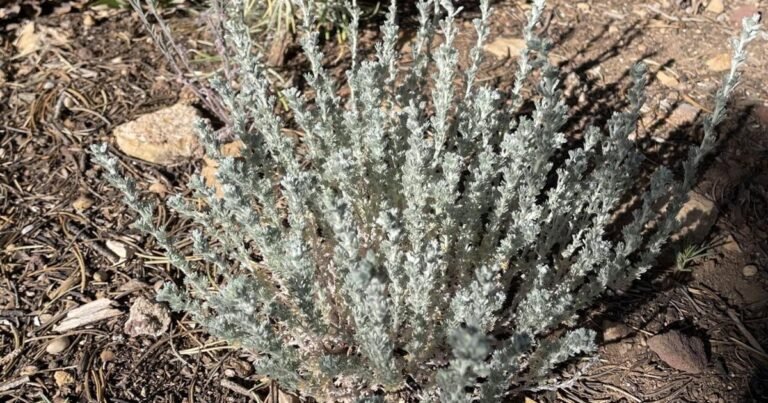

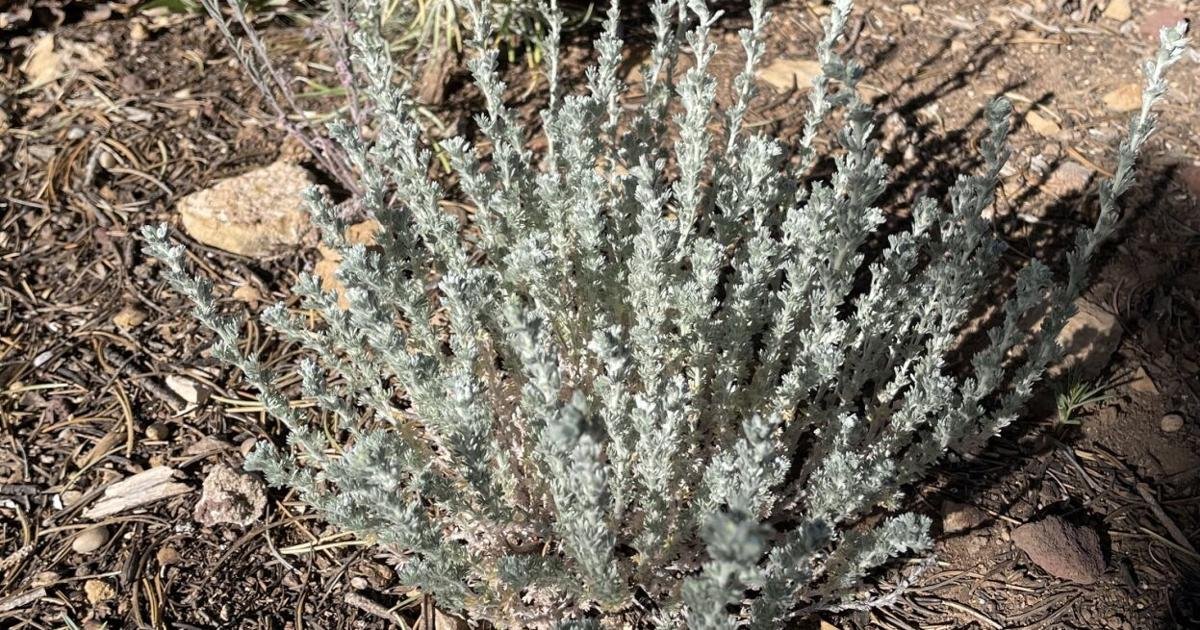
On the hottest summer days, we may seek out a shady patio or head up into the mountains for some cooler refuge. But plants are rooted to one spot, and not able to move out of the hot sun. How do they deal with the stresses of heat? Plants do have a variety of coping mechanisms, from short-term responses to evolutionary adaptations. We can help our gardens and landscapes thrive by understanding the plant’s perspective.
Most familiar plants cool themselves in hot sun by using evaporation, the way we use perspiration or sweating. Wet cells on the inside of leaves lose water from their surfaces, and the water exits the leaf through surface pores or stomates; this evaporation cools the air inside and near the leaf. This works, of course, only as long as the interior is wet. Thus most plants require consistent watering to provide moisture in the soil that can be taken up to replace that lost by evapotranspiration (movement of water from soil through plant tissues to the air).
About the Author

To get daily local headlines delivered to your inbox each morning, sign up for newsletter!